
Embodied Wellbeing
Rediscovering the Wisdom of Your Body
We often think of wellbeing as something that happens in the mind.
We try to think more positively, worry less or find ways to manage stress. While these approaches can be helpful, they overlook something important: our minds and bodies are constantly working together.
Our thoughts influence the way we move, breathe and hold ourselves. Equally, the way we move, breathe and pay attention to our bodies can influence how we think and feel.
This is the essence of embodied wellbeing – recognising that our physical and emotional wellbeing are closely connected, and that caring for one also supports the other.
What Does ‘Embodied’ Mean?
To be embodied is simply to experience life through your body.
It means noticing how you feel, how you move, how you breathe and how your body responds to different situations. Many of us spend much of our day thinking, planning and reacting, with little awareness of what our bodies are telling us. We may only notice our bodies when something hurts or doesn’t work as it used to. Embodied wellbeing invites us to gently reconnect with those signals—not to judge them or try to change them immediately, but simply to notice them with curiosity and kindness.
This awareness often becomes the first step towards positive change.
Why Movement Matters
Movement is much more than exercise.
Every movement we make involves our muscles, joints, breathing, balance, nervous system and attention. When we move with awareness, we are also developing our relationship with ourselves.
Gentle movement can help us:
- become more aware of tension
- improve balance and coordination
- reconnect with breathing
- move with greater ease
- build confidence in our bodies
- create moments of calm in busy lives
The goal isn’t to perform movements perfectly but to explore how movement feels from the inside.
Listening to Your Body
Our bodies are constantly giving us information.
They tell us when we are tired, tense, relaxed, anxious, comfortable or energised. In everyday life, it’s easy to ignore these signals until they become impossible to overlook.
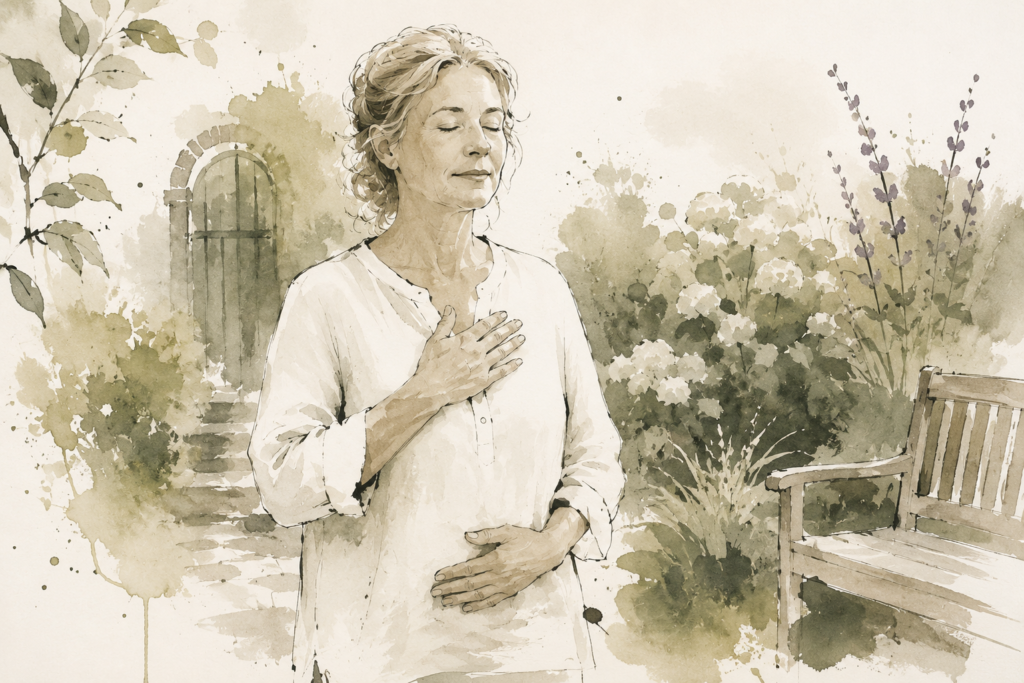
Practices such as Tai Chi and Qi Gong encourage us to pause, slow down and pay attention.Over time, many people find they become better at recognising what they need—whether that’s rest, movement, deeper breathing or simply a few moments of stillness.
Listening to your body isn’t about becoming self-conscious. It’s about becoming more connected to yourself.
Movement and Emotional Wellbeing
Our emotional wellbeing is reflected in our bodies.
Stress may show itself as tight shoulders or shallow breathing. Anxiety might make us feel restless or on edge. Grief, sadness or exhaustion can influence the way we stand, walk and move through the world. Gentle movement doesn’t make difficult emotions disappear, but it can help us respond to them differently.
By slowing down, breathing naturally and moving with awareness, many people find they feel calmer, more grounded and better able to meet the demands of everyday life.
Finding Ease Rather Than Effort
Modern life often encourages us to push harder, do more and keep going.
Embodied wellbeing offers a different perspective. Rather than asking, How much can I achieve?, it asks:How can I move with greater ease? This doesn’t mean avoiding challenge. Instead, it means learning to work with your body rather than against it.
Small changes in posture, breathing or awareness can sometimes make everyday activities feel more comfortable and less tiring.
Different Paths, Shared Principles
There are many ways to explore embodied wellbeing.
At Movement In Mind, our approach is centred on practices that combine gentle movement, mindful awareness and respect for each person’s individual needs.
These include:
Tai Chi: Flowing sequences that develop balance, coordination, relaxation and mindful movement.
Qi Gong: Simple, repetitive movements that cultivate breathing, body awareness and ease.
Clinical Somatics (coming soon): Gentle movement education that helps improve awareness, release habitual tension and support more comfortable movement.
Although each approach is different, they all encourage a deeper awareness of how we move, breathe and experience ourselves.
Bringing Embodied Wellbeing into Everyday Life
Embodied wellbeing isn’t something that only happens during a class.
It can become part of everyday life.
You might notice your breathing while waiting in a queue, soften your shoulders while working at a computer or take a moment to feel your feet on the ground before an important conversation.
These small moments of awareness can gradually influence how we respond to stress, move through our day and care for ourselves.
Sometimes the smallest changes have the greatest impact.
A Lifelong Practice
Embodied wellbeing isn’t about striving for perfection.
It’s about developing a kinder, more curious relationship with your body over time.
Whether you’re learning Tai Chi, exploring Qi Gong or simply becoming more aware of how you move each day, every small step contributes to greater confidence, resilience and wellbeing.
There is always more to discover—not because you are trying to become someone different, but because you are learning to notice and appreciate the wisdom that has been there all along.
Embodied wellbeing isn’t about striving to become a different person. It’s about becoming more aware of yourself, responding with greater kindness and discovering ways of living that support your health and wellbeing over the long term.
Continue Exploring
You may also enjoy:
- Body Awareness: Learning to Listen – Explore how becoming more aware of your body can support everyday wellbeing.
- Why Movement Matters – Discover why movement is about far more than physical exercise.
- Movement, Stress and Emotional Wellbeing – Learn how mindful movement can help you respond differently to stress.
- Mindful Movement in everyday life
- Movement and Emotional Wellbeing
- About Tai Chi – Discover the history, principles and practice of Tai Chi.
- About Qi Gong – Explore the gentle art of Qi Gong.
- Health Conditions – Learn how these practices can often be adapted for people living with long-term health conditions.