Embodied Wellbeing
Movement and Emotional Wellbeing
Caring for Mind and Body Together
Our mental wellbeing is closely connected to how we move, breathe and experience our bodies.
When we’re feeling emotionally well, movement often feels natural. We walk with more energy, breathe more freely and engage more easily with the world around us.
When we’re struggling, the opposite can happen. We may feel tense, heavy, disconnected or exhausted. Everyday tasks can seem more difficult, and we may lose the motivation to be active.
This isn’t a sign of weakness—it’s one of the ways our minds and bodies respond to emotional challenges.
Gentle movement practices such as Tai Chi and Qi Gong offer an opportunity to reconnect with ourselves through slow, mindful movement, creating space for both physical and emotional wellbeing.
The Mind and Body Are Connected
Our thoughts, emotions and physical experiences influence one another all the time.
Stress may cause our shoulders to tighten.
Anxiety may make our breathing quicker or shallower.
Low mood can leave us feeling physically drained, making movement feel like an effort.
Equally, the way we move can influence how we feel. A short walk, stretching, gardening or practising Tai Chi may help us feel calmer, more grounded or more connected to ourselves.
This two-way relationship is one reason why movement has become an important part of many approaches to supporting wellbeing.
When Life Feels Overwhelming
There are times when simply getting through the day feels like enough.
During periods of stress, anxiety or low mood, vigorous exercise may feel unrealistic or even unappealing.
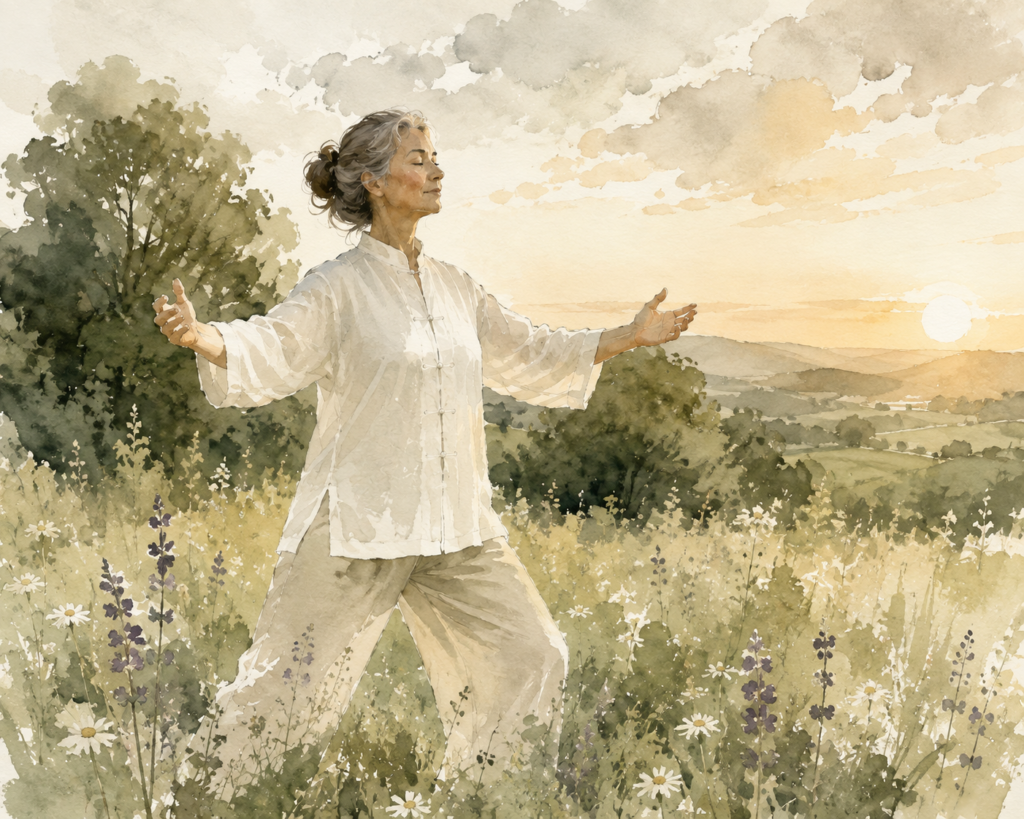
Tai Chi and Qi Gong offer a different approach.
There is no pressure to perform, compete or push yourself beyond your limits.
Instead, the focus is on moving gently, breathing naturally and paying attention to what your body needs today.
Sometimes, taking just a few slow, mindful movements can be enough to interrupt a cycle of tension or overwhelm.
How Tai Chi and Qi Gong May Help
Tai Chi and Qi Gong combine gentle movement, relaxed breathing and focused attention.
Many people who practise regularly describe benefits such as:
- feeling calmer and more settled
- improving body awareness
- reducing physical tension
- sleeping more comfortably
- developing greater confidence in movement
- creating regular moments of self-care
- finding enjoyment in learning something new
These changes are often gradual. Rather than offering a quick fix, Tai Chi and Qi Gong encourage small, sustainable practices that can become part of everyday life.
Learning Skills for Wellbeing
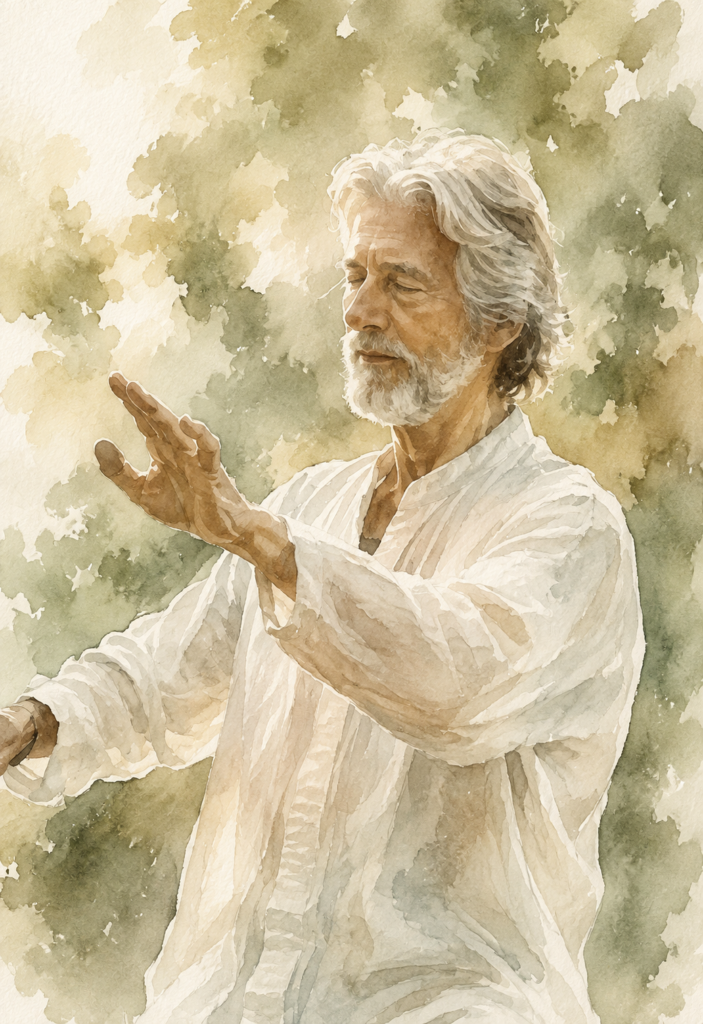
Tai Chi and Qi Gong aren’t about someone else fixing you.
Instead, they offer practical skills that you can continue using long after the class has finished.
As you practise, you begin to recognise when you’re holding tension, when your breathing has become shallow or when you’re rushing through the day without noticing how you feel.
Over time, these moments of awareness make it easier to respond with kindness rather than criticism.
Many people find that the principles they learn through Tai Chi—moving more mindfully, breathing more easily and paying attention to their body—gradually become part of everyday life.
The Importance of Connection
Mental wellbeing isn’t only influenced by what happens inside us.
Feeling connected to other people also plays an important role.
Learning alongside others, sharing conversation before or after class and becoming part of a welcoming community can all contribute to a sense of belonging.
Whether practising in person or online, many people find encouragement in knowing they’re part of a supportive group where everyone is learning at their own pace.
For some, this gentle sense of connection becomes just as valuable as the movements themselves.
From Coping to Living
When life feels difficult, it’s easy to spend all our energy simply getting through the day.
We cope by pushing on, avoiding what feels overwhelming or putting our own needs to one side. These strategies often help us through challenging times, but they can also leave us feeling disconnected from ourselves.
Tai Chi and Qi Gong don’t ask us to stop coping. Instead, they offer opportunities to notice how we’re feeling, reconnect with our bodies and gradually rediscover moments of ease, enjoyment and confidence.
Over time, many people find that the practice becomes more than something they do. It becomes a way of supporting themselves through the ups and downs of everyday life
What Does the Research Say?
Research into Tai Chi and Qi Gong suggests that these practices may support emotional wellbeing and quality of life. Studies have explored their potential to reduce stress and anxiety, improve mood and promote relaxation across a range of populations.
Like many forms of gentle physical activity, Tai Chi combines movement, breathing, attention and learning. Together, these elements may contribute to improved psychological wellbeing for some people.
Everyone’s experience is different, and Tai Chi and Qi Gong should be viewed as complementary practices that support overall wellbeing rather than treatments for mental health conditions.
You can explore some of this research in our Research & Evidence section.
Looking After Yourself with Compassion
There is no perfect way to practise Tai Chi or Qi Gong.
Some days you’ll feel energetic.
Other days you may simply enjoy standing quietly and breathing.
Both are valuable.
The aim isn’t to become better at movement, but to become more responsive to what your mind and body need from one day to the next.
This compassionate approach often becomes something people carry into the rest of their lives.
When You Need More Support
Tai Chi and Qi Gong can be a valuable way of supporting mental wellbeing, but they are not a substitute for professional mental health care.
For many people, regular practice provides an enjoyable way to maintain emotional wellbeing as part of a healthy lifestyle. Others may choose to combine mindful movement with support from their GP, talking therapies or other healthcare professionals during more challenging times.
If you’re experiencing persistent low mood, anxiety, depression or other mental health difficulties, it’s important to seek appropriate professional advice. Gentle movement works best as one part of a wider approach to looking after your wellbeing.

A Practice for Life
Mental wellbeing isn’t about feeling happy all the time.
It’s about developing the skills and resilience to respond to life’s ups and downs with greater awareness and self-compassion.
Tai Chi and Qi Gong don’t promise to remove life’s challenges, but they do offer a gentle, practical way of caring for yourself through movement.
Over time, the practice becomes more than a class. It becomes a resource you can return to—helping you find steadiness, reconnect with yourself and support your wellbeing, one movement at a time.